
Featured





Polar-opposites, pride and inferiority, challenge us as we navigate life. We love how Scripture admonishes us to establish our pathway apart from these two dead ends.
Let’s not get lost in those weeds. Let’s set an example through our speech, conduct, love, faith and purity.
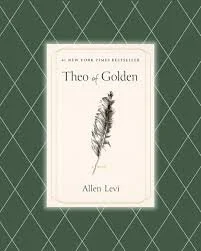
Judy & I were both recently captivated by Theo of Golden, a fictional account of a thoughtful, generous man in his late eighties making a profound difference in the lives of others. YES! What a novel concept, an older man who is clearly young enough to serve!
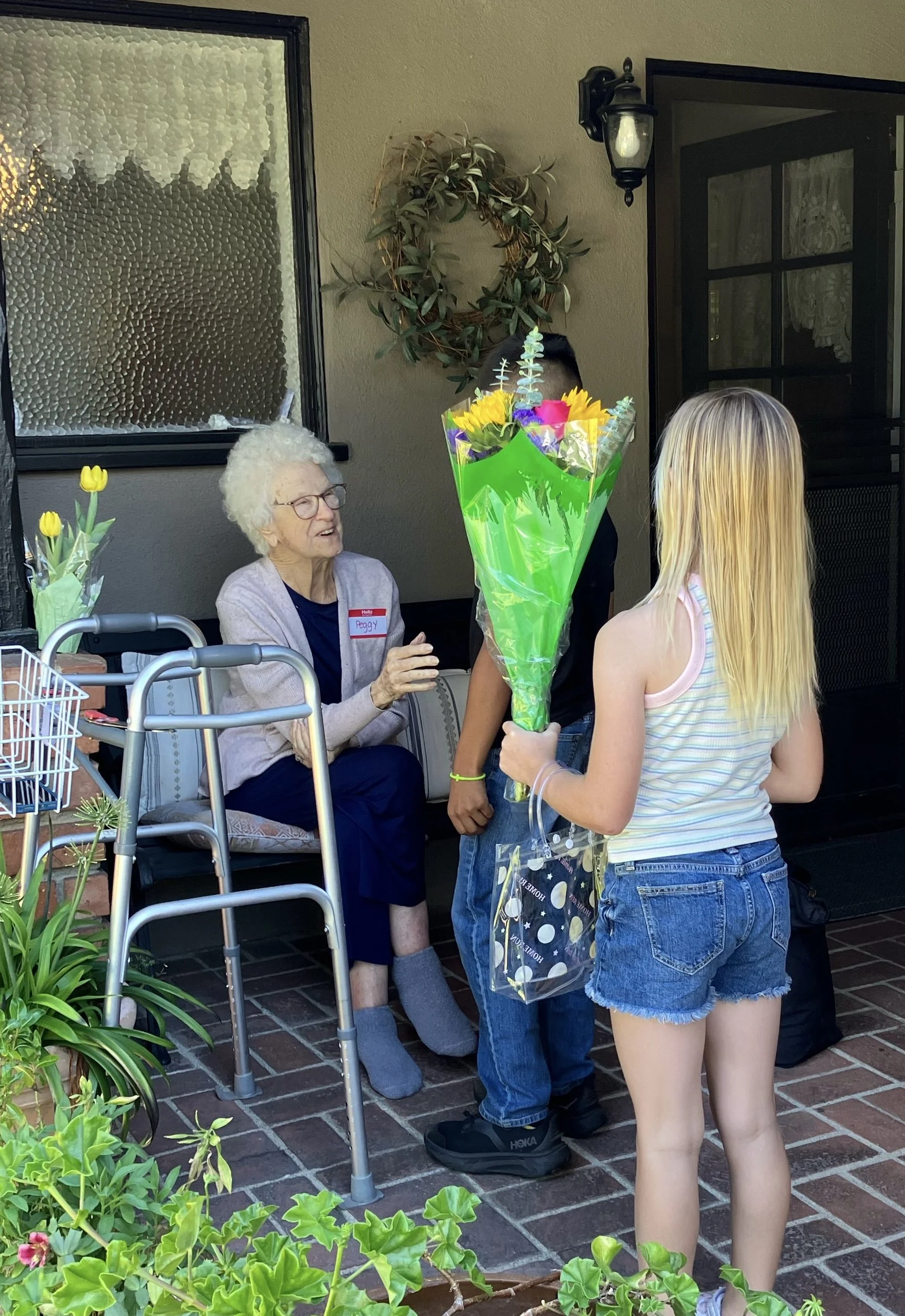
Let’s never minimize the role young people, including children, can play in adding life and vitality to those in life’s later chapters. And, of course, maximizing the role we can play in pointing people of all ages to Jesus, the source of our hope and joy.
Specialized, age-targeted ministries in our churches can sometimes resemble space heaters. Peer groups are often warm and cozy, but the temperature can drop dramatically as you move outside these comfortable cocoons.
We love our peers, and we love seeing them loving on people up and down the age thermometer.
In her twenties my younger sister Sheryl was diagnosed with Multiple Sclerosis. Now approaching 70 next month, her diagnosis remains, but she has lived a tremendously fruitful life as an elementary Christian school teacher, calligrapher, artist, queen of hospitality, wife, mother of three and grandmother of six.
As we’ve quickly discovered, encores can come almost before the quest gets rolling.
We really have no idea how God is going to use us in 2026. Yes, we have prayed. Yes, we have some plans. But, oh, do we ever need flexibility and God’s guidance as we encounter the unexpected from day to day.
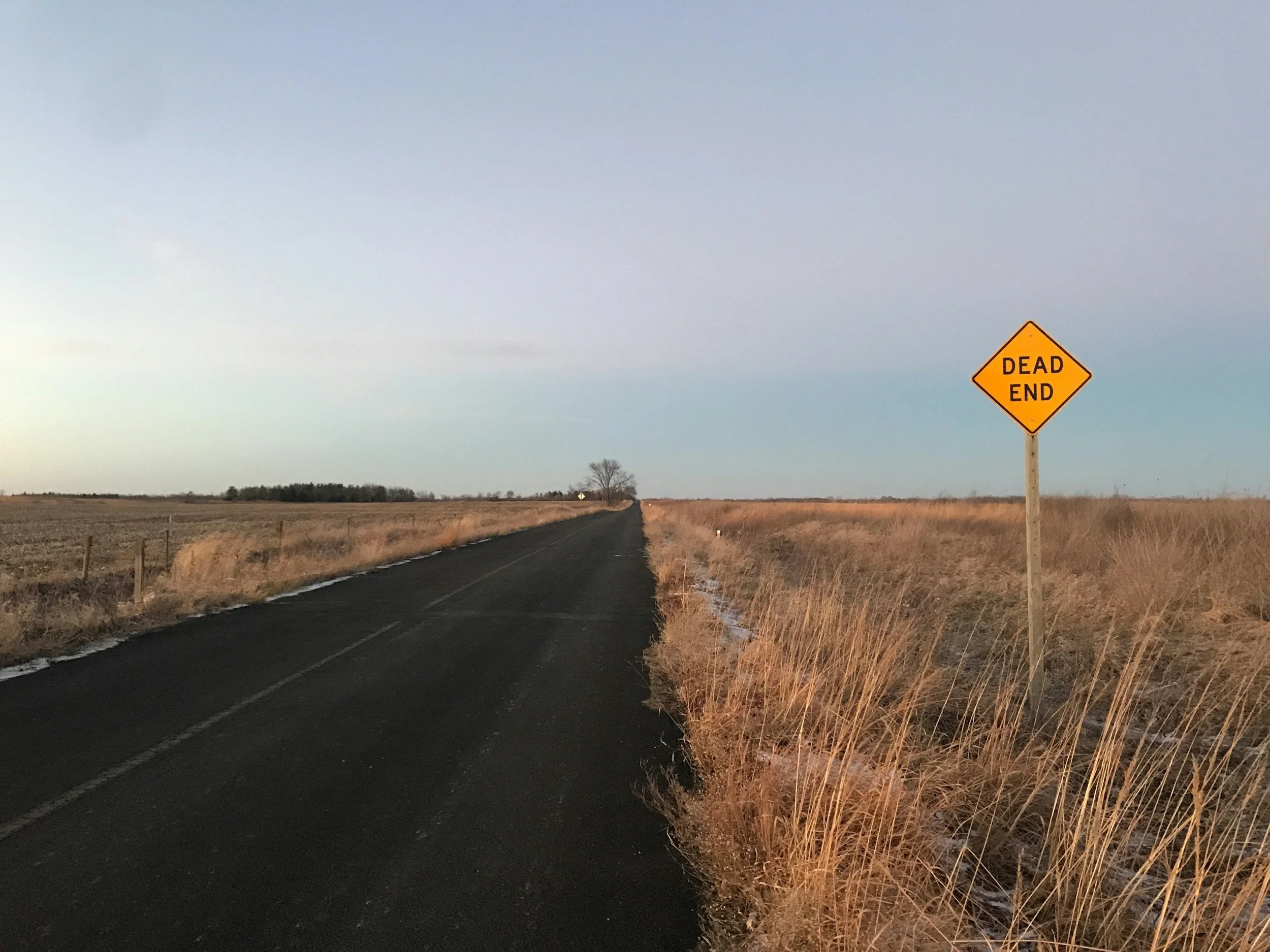
Later life can present challenges that lead to hard stops, but we know many of us encounter signs suggesting we slow down or perhaps take an alternate route.
As we grow older, may we still be open to God-ordained opportunities to boldly step outside our comfort zones---or allow Him to expand the boundaries of our wheelhouse.
While not all Christians would side with Charlie Kirk’s political stances, his courageous faith walk can teach us a lot, including those of us whose young adult years are distant memories.
…We see parallels as YES! continues to focus on older adults, seen by many as fixed in their ways, past their prime and unreachable. Even within Christian circles, relegating mature believers to Church-of-the-Past pigeonholes—ignoring current potential—is painfully short-sighted.
Who might benefit from some of our treasures currently sitting idle?
Adopting a mindset of becoming more effective stewards of our belongings can be freeing and energizing. And the act of giving while living carries more meaning for the giver and recipient.